My work explores how we live with what cannot be resolved.
Regardless of whether it is art or not, what matters is to continue to live.
My work is a way of observing life while living inside it. It is also a promise I made to myself to keep going
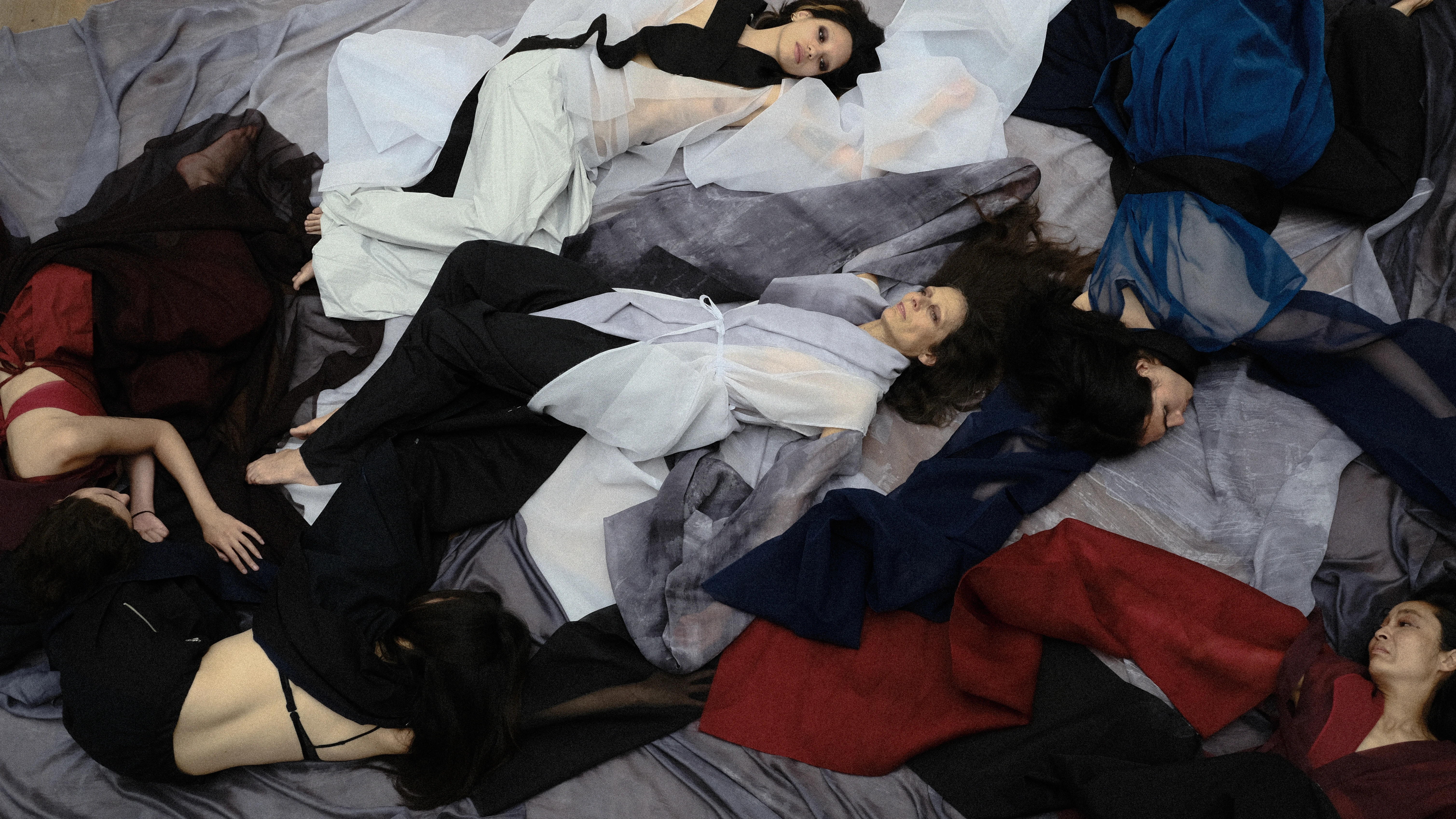
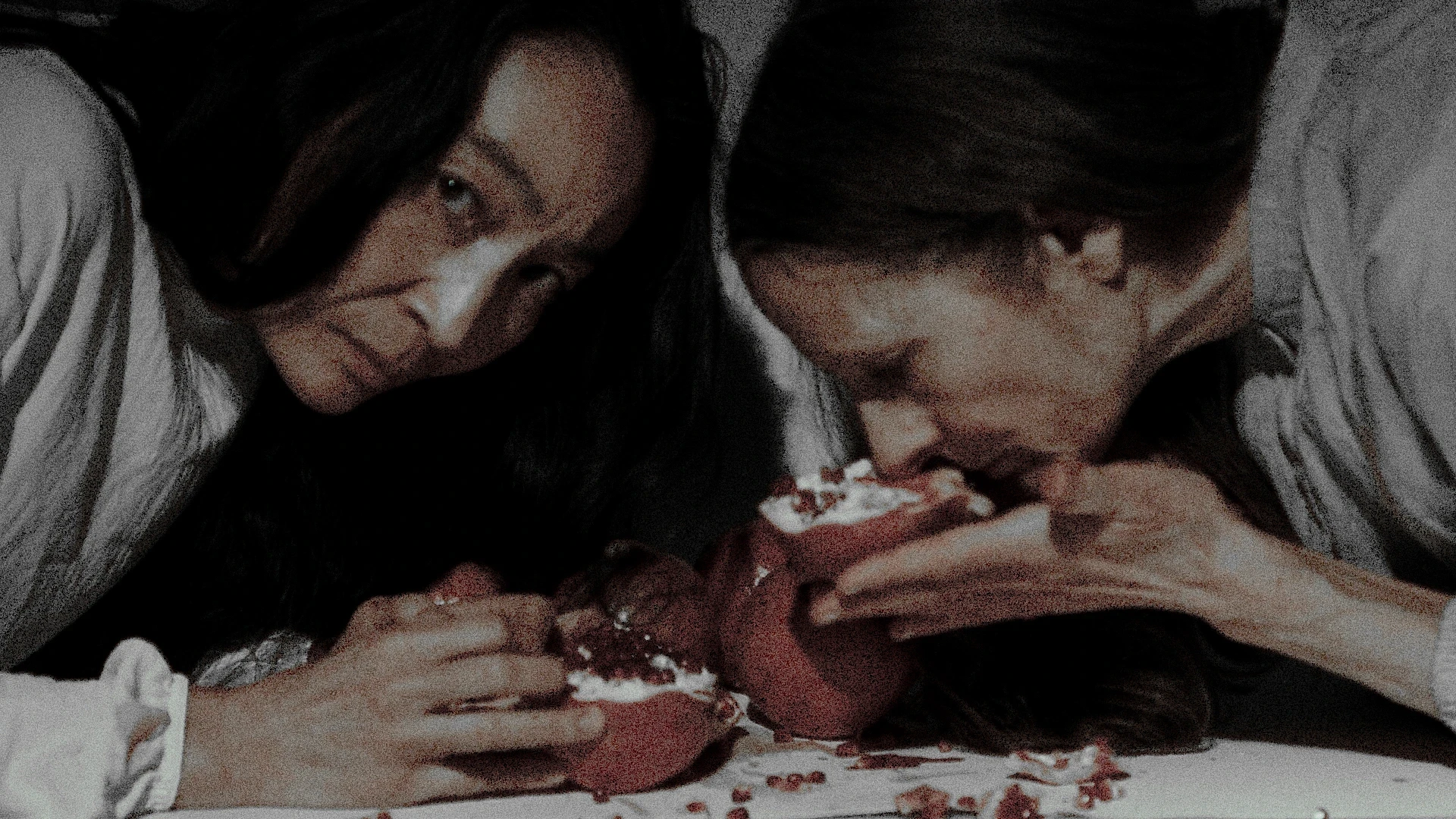
Through video, photography, garments, sound, drawing, and text, I try to understand how we live with each other and inside ourselves.
Each project begins with a question about the human condition.
I follow gestures, memories, conversations, and quiet emotional movements.
From there, a line appears , first as a feeling, then as an image, then as a garment, then as a story. Everything connects and begins to move together.
I think through the body. I think through movement.
A texture becomes an emotion.
A temperature becomes a memory.
A movement becomes a narrative.
My works are often self-portraits, but never only about me.
They are attempts to reach others while accepting that we can never fully enter each other’s lives.
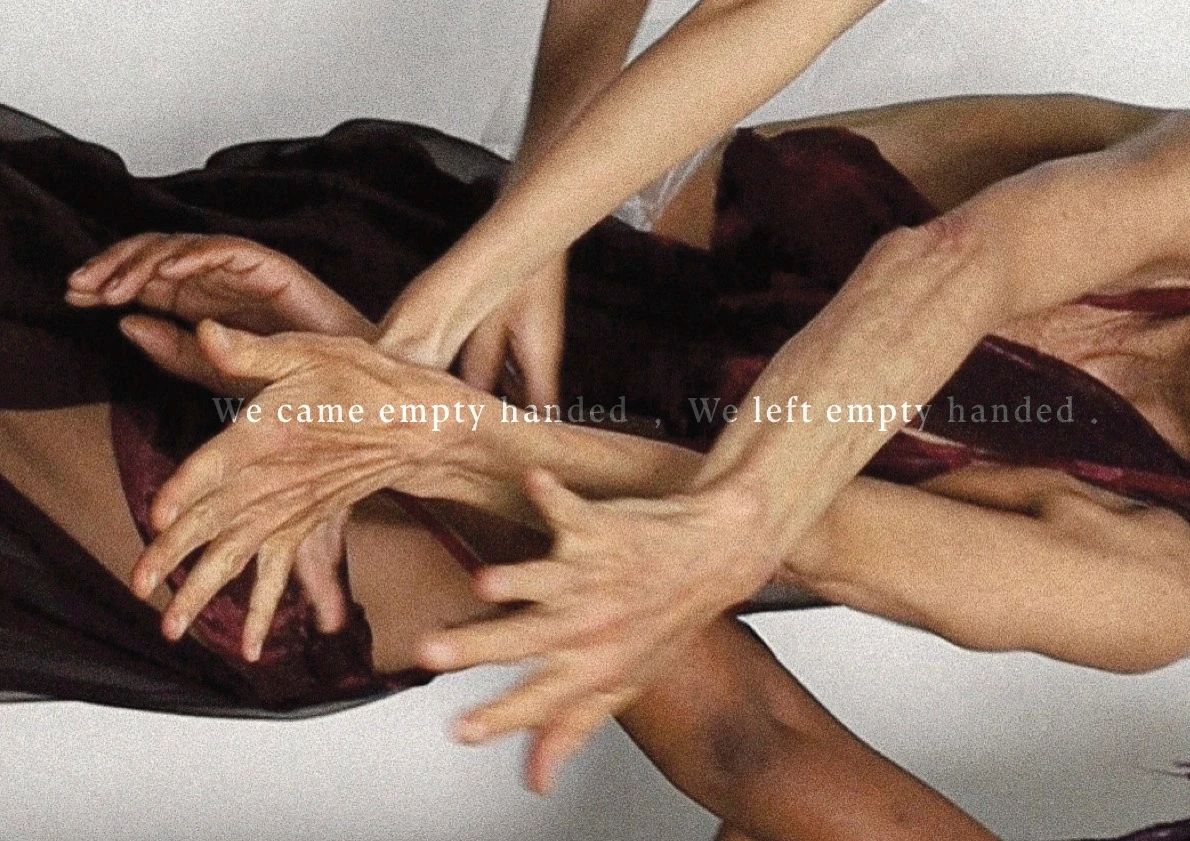
We are together, but always slightly apart.
I believe we are small pieces of a larger whole.
I know nothing .
I don’t know anything .
We know nothing.
We don't know anything .
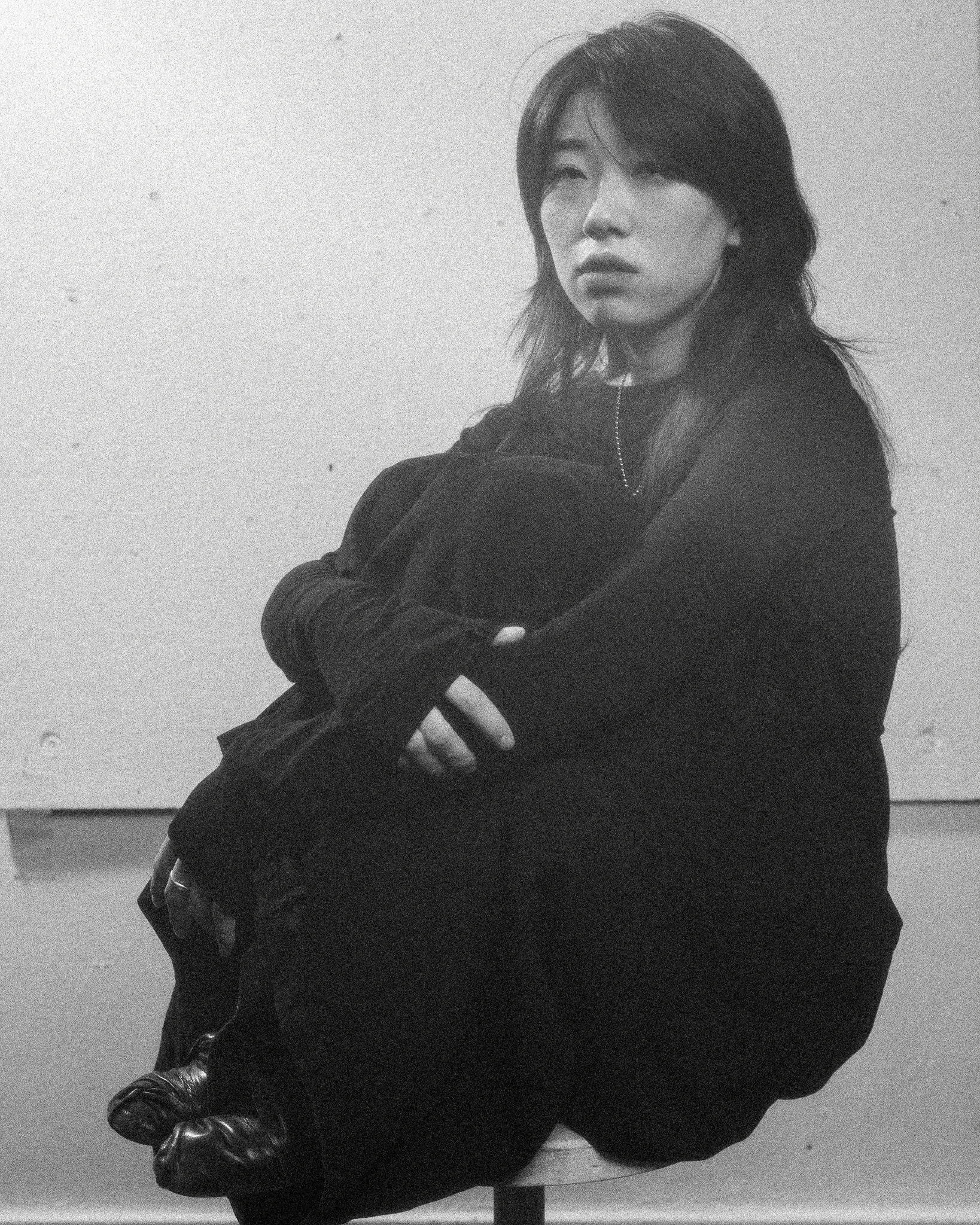
장정윤
The Hague, The Netherlands